

How and when to outsource technical writing? (using a framework)
Learn when to outsource technical writing, what to outsource vs keep in-house, and how to choose the right technical writing agency using a practical scoring framework.

Technical SaaS companies usually start considering outsourced technical writing when documentation begins slowing down product growth instead of supporting it.
This often happens when:
- You launched quickly and never built proper documentation, forcing users to rely on support or internal teams to get started.
- Engineers write documentation between releases, which means docs only get attention when something breaks.
- Product development is moving faster than documentation can keep up, creating a growing backlog of documentation debt.
- Support and solutions teams repeatedly answer questions that should already be covered in the documentation.
- The platform has expanded across APIs, integrations, or multiple services, but the documentation still reflects an earlier version of the product.
If you are reading this, chances are you are experiencing one or more of these challenges. The question is not whether documentation matters. The question is whether your current approach can scale with the product and the needs of your users.
In this guide, you'll learn how to evaluate whether outsourcing technical writing makes sense for your team using a simple scoring framework. We'll also cover what should remain in-house, what can be outsourced effectively, and how to evaluate potential technical writing partners.
Let's get started.
A simple scoring framework to decide when to outsource technical writing
We use this framework with teams that are unsure whether documentation should be outsourced, handled internally, or supported through a hybrid model.
Assign points
| Area | Situation | Points |
|---|---|---|
| Documentation ownership | No clear owner. Engineers or product teams manage it. | 3 |
| Owned part-time by someone with other responsibilities. | 2 | |
| Dedicated owner exists but cannot keep up. | 1 | |
| Structured documentation function is in place. | 0 | |
| Release speed vs documentation updates | Features ship without documentation. | 3 |
| Documentation is delayed by one or more releases. | 2 | |
| Updates happen but not consistently. | 1 | |
| Documentation ships with releases. | 0 | |
| Engineering time spent on software documentation | Engineers spend more than 5 hours per week on docs. | 3 |
| Engineers spend 2 to 5 hours per week. | 2 | |
| Engineers contribute occasionally. | 1 | |
| Engineers rarely handle technical documentation. | 0 | |
| Support ticket patterns | Setup or integration questions repeat every week. | 3 |
| Repetitive questions appear often. | 2 | |
| Gaps surface occasionally. | 1 | |
| Documentation issues are rare. | 0 | |
| Documentation debt | Multiple guides are outdated or inaccurate. | 3 |
| Several sections need rewriting. | 2 | |
| Minor cleanup is needed. | 1 | |
| Documentation is current. | 0 | |
| Product complexity | APIs, SDKs, integrations, or multi-service workflows need structured references. | 3 |
| Documentation scope is expanding quickly. | 2 | |
| Complexity is increasing but manageable. | 1 | |
| Technical writing needs are simple. | 0 | |
| Hiring timeline | No plan to hire within 3 to 6 months. | 3 |
| Hiring is approved but not immediate. | 2 | |
| Hiring is in progress. | 1 | |
| Team is fully staffed. | 0 |
Scoring guide
| Total score | What it signals | Recommended approach |
|---|---|---|
| 0–6 | Documentation is manageable with your current setup. | Improve internal processes. |
| 7–12 | Pressure is building and gaps will grow without support. | Use a hybrid model. Keep ownership internal and use external technical writers for backlog or specialized work. |
| 13–18 | Documentation is limiting execution speed. | Outsource a significant portion of documentation. |
| 19–21 | Little to no documentation exists, or current documentation cannot support users. | Bring in external ownership to establish structure, coverage, and consistency. |
What should you outsource vs keep in-house?
If your score is between 7 and 12
Documentation exists but lacks consistency and coverage. External technical writers add execution capacity so internal teams stay focused on product work.
| Outsource | Keep in-house |
|---|---|
| Backlog cleanup to remove outdated or duplicate content | Documentation ownership to maintain accountability |
| New feature guides so releases are supported on time | Product messaging to reflect positioning accurately |
| Help center articles that reduce repetitive support questions | Style guidelines to keep content consistent |
| Integration and SDK guides that require clear setup steps | Final reviews to ensure technical accuracy |
| Formatting and standardization to improve readability | Roadmap-linked updates so docs reflect upcoming changes |
If your score is between 13 and 18
Documentation is falling behind product growth. Sustained external production helps restore coverage and structure.
| Outsource | Keep in-house |
|---|---|
| API documentation that requires structured references | Architecture documentation that changes with system design |
| Developer guides that explain workflows end to end | Internal runbooks tied to team operations |
| Migration guides that help users transition safely | Security and compliance content with restricted access |
| Onboarding flows that shorten time to first successful use | Priority setting to control what gets documented first |
| Knowledge base expansion to support a broader product surface | Approval workflows to maintain accuracy |
| Audits to identify gaps and structural issues | |
| Rewrites of outdated guides so users follow current steps |
If your score is between 19 and 21
Users do not have enough documentation to navigate the product without assistance. External support helps establish a working foundation quickly.
| Outsource | Keep in-house |
|---|---|
| Core product guides that explain primary workflows | Documentation ownership so direction remains clear |
| API references so developers can integrate without friction | Source-of-truth product knowledge to prevent inaccuracies |
| Quickstart guides that help users begin immediately | Sensitive system details that require controlled access |
| Installation and configuration docs that prevent setup errors | Long-term documentation strategy to guide future expansion |
| First-use onboarding paths that reduce dependency on support | |
| Information architecture to organize content logically | |
| Documentation structure and navigation so users can find answers |
Now that you understand whether outsourcing technical writing is suitable or not and what parts to outsource, the next step is how to choose the right technical writing service provider.
How to choose the right technical writing service provider?
1. Technical depth
The major reason companies choose an agency over freelance writers or internal hires is technical depth. Say, for example, Celo operates across blockchain infrastructure, smart contracts, APIs, SDKs, and developer tooling. Documenting this requires technical writers who understand blockchain systems, developer onboarding paths, contract deployment flows, and integration patterns. This level of familiarity is difficult to source through independent technical writing consultants and often expensive to hire a full time tech writer, since specialized & skilled technical writers command higher salaries and require ramp time to understand the architecture.
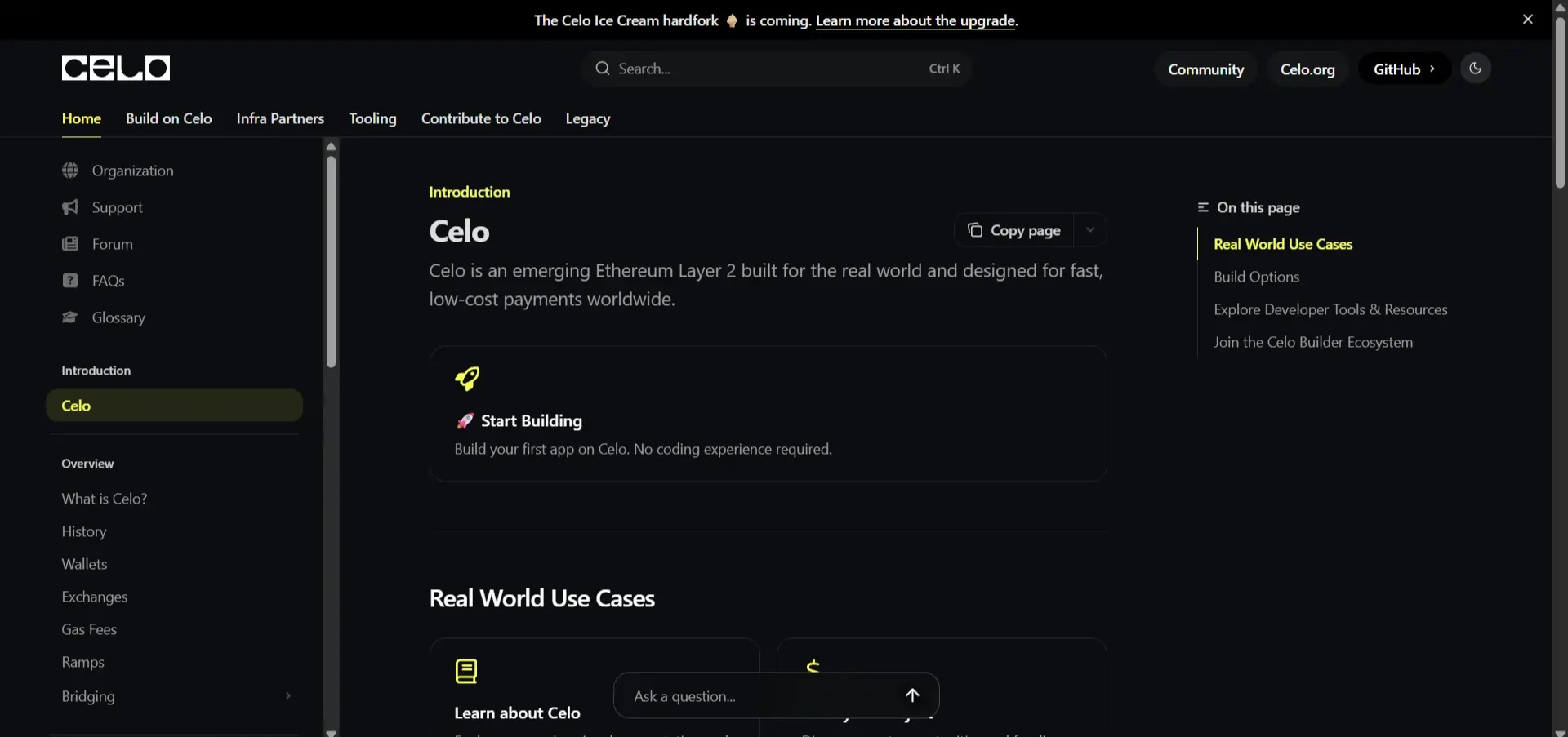
Technical expertise becomes apparent long before the first document is delivered. Strong vendors invest time in understanding the product, the architecture, and the developer journey before they start writing. They ask detailed questions about workflows, integrations, dependencies, setup requirements, and common implementation challenges to ensure the documentation reflects how the product actually works in practice.
This approach leads to documentation that is more accurate, easier to maintain, and more useful for developers. It also reduces the burden on engineering teams because fewer gaps need to be corrected during reviews, and fewer support tickets are generated by unclear or incomplete instructions.
For complex SaaS and devtool products, documentation is not simply a collection of pages. It is part of the implementation experience. The more closely documentation aligns with real developer workflows, the easier it becomes for users to adopt and successfully use the product.
If you're evaluating vendors, the best technical writing agencies guide compares agencies that specialize in SaaS and developer-focused products, including their service offerings, areas of expertise, and client outcomes.
2. Ability to operate within product workflows
Technical documentation is produced within the systems that manage product delivery. A technical writing service provider should be comfortable working inside sprint boards, product tickets, release plans, and changelogs so documentation updates follow the same path as the work being shipped. Technical Writers need to know where implementation details live, how decisions are recorded, and when changes are ready to be documented.
For example, when we worked with Novu, we aligned directly with the team’s existing workflow to support 100% shipping velocity. Our professional technical writers along with our dedicated project manager tracked active tickets, reviewed pull requests for API changes, joined product walkthroughs, and updated developer guides as features moved toward release. Documentation tasks were handled within the same planning structure used by engineering, which kept updates synchronized with the roadmap.
Working with Hackmamba is like having a 10x technical writer on your team.– Dima Grossman, Co-founder and CTO, Novu
This level of workflow alignment keeps documentation current and predictable. Engineers focus on validating technical accuracy, product teams retain clear release visibility, and developer guidance is available as new capabilities reach production.
3. Ability to execute with minimal oversight
A technical writing service provider should be able to operate with minimal oversight once priorities, product context, and goals are established. Documentation projects should not depend on constant direction from engineering or product teams to keep moving forward.
To do this effectively, writers need to be comfortable working from product artifacts such as tickets, release notes, technical specifications, pull requests, existing documentation, and internal discussions. They should be able to identify information gaps, conduct targeted interviews with subject matter experts, and translate technical knowledge into structured documentation without requiring extensive hand-holding.
This approach reduces the burden on engineering teams and makes review cycles more efficient. Instead of spending time shaping documents from scratch, reviewers can focus on validating technical accuracy and filling in missing details. Documentation continues to evolve alongside the product because writers proactively track changes and update content as new features, integrations, and workflows are released.
The result is a documentation process that scales with product development rather than competing with it for engineering time.
The process a capable agency uses internally, from discovery and information gathering through drafting, technical review, and publication, is covered in our technical writing process. It provides a practical look at what effective, low-overhead documentation execution looks like in practice.
4. Ability to bring structure to technical documentation
As products expand, documentation grows across guides, API references, onboarding material, and integration steps. Without clear structure, content becomes difficult to navigate and harder to maintain. A technical writing partner should be able to define how documentation is organized so developers can move through it logically.
This includes establishing information architecture, grouping content by developer intent, standardizing page formats, and maintaining consistent terminology. Writers should understand when to separate conceptual material from task-based guides and how to design navigation that helps users locate the complex technical information required to complete a workflow.
5. Review and accuracy mechanisms
A accurate technical documentation is a baseline requirement. A technical writing service provider should run structured reviews that validate endpoints, parameters, authentication flows, configuration steps, and code samples before publication. Documentation should reflect current product behavior so developers can complete tasks without interruption.
Review cycles should involve subject matter experts in a focused way. Technical writers need to arrive with prepared drafts, documented assumptions, and targeted questions so engineering teams spend time confirming details rather than explaining features repeatedly. Updates should also be tracked against product changes so documentation stays aligned with each release.
6. Ability to diagnose through a documentation audit
One way to evaluate a technical writing service provider is by how they assess your existing documentation. A capable partner starts by understanding what already exists, how it is structured, and where developers encounter friction. This requires reviewing current guides, API references, onboarding flows, and navigation before proposing new work.
An effective audit examines documentation structure, coverage, accuracy, and alignment with the product roadmap. It identifies gaps that affect onboarding, outdated material that causes confusion, and areas where content does not reflect current behavior. The audit should result in clear findings and prioritized recommendations tied to product usage and upcoming releases.
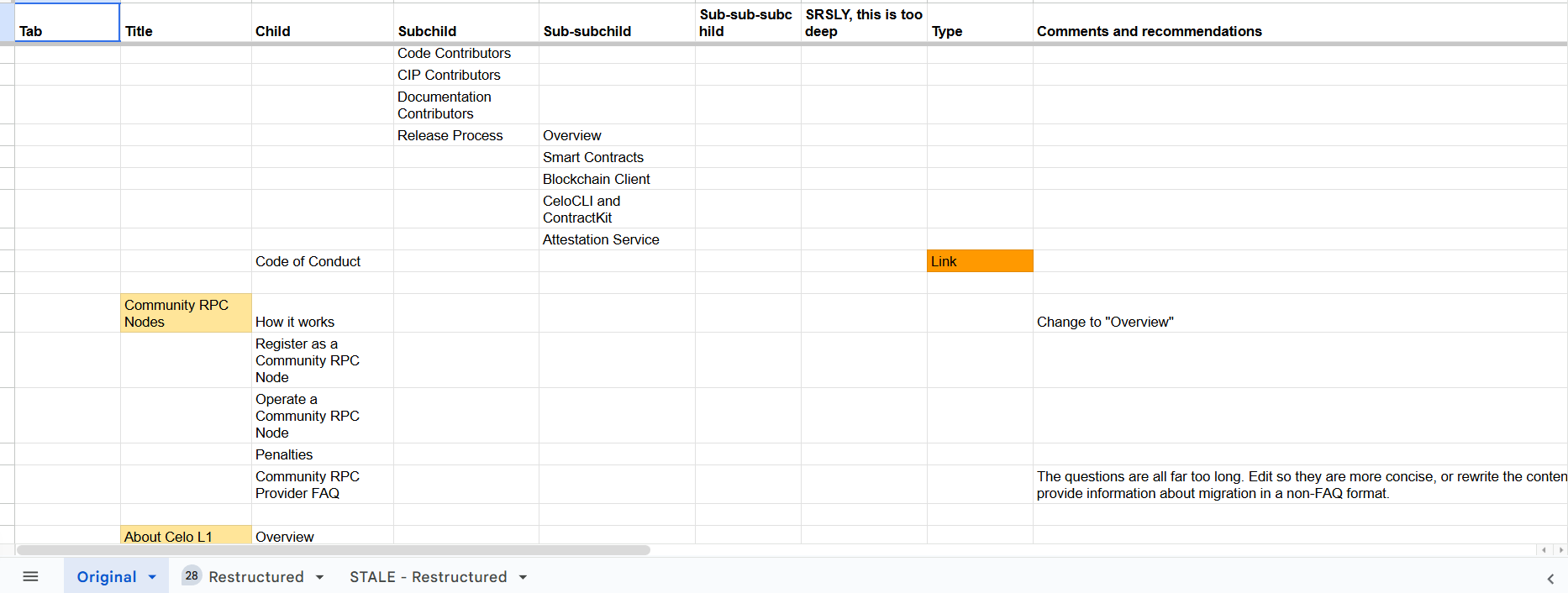
Vendors who can run this kind of assessment demonstrate an understanding of documentation as a system. The audit sets direction for execution and shows whether the partner can think beyond writing individual pages.
7. Cost efficiency and financial planning
Cost is an operational consideration when selecting a technical writing service provider, particularly as documentation demands grow. When content production happens internally, teams incur not just salaries, but time spent on research, editing, tooling, and coordination that pulls developers and product managers away from core work.
Mia-Platform experienced this firsthand. Their internal documentation process supported high standards, but the financial strain on resourcing became noticeable as editorial responsibilities expanded across writers, editors, and platform tooling. The cumulative cost of maintaining that output internally required ongoing budget allocation and management overhead.
Hackmamba worked with Mia-Platform to shift documentation production to an external model that aligned effort with defined priorities. Documentation work was scoped to specific releases and guided by a structured roadmap, allowing the company to maintain quality without extending internal headcount or redistributing engineering time. This resulted in clearer budget planning and predictable investment tied to documentation outcomes.
We scouted several possible providers before choosing Hackmamba. We already had good internal production, and it was going quite well in terms of positioning ourselves as thought leaders, but it was sometimes very expensive and long, explains Paolo, a senior technical writer at Mia-Platform.
Documentation investment became easier to plan as spend aligned directly with production, giving the organization clearer financial visibility while supporting ongoing technical documentation needs.
8. Evidence of work and measurable impact
Your technical writing agency should have a proven track record along with key outcomes of the work they did. Documentation influences developer behavior, support demand, and adoption, and those shifts should be visible in operational metrics. Without measurable impact, documentation remains difficult to evaluate.
At Hackmamba, engagements are structured around defined goals so teams can observe how documentation supports product usage and internal capacity.
- With Flutterwave, improved developer guidance contributed to a 10 percent reduction in support requests, with early surveys reporting 61.2 percent positive developer sentiment.
- At AI Insurance, documentation improvements resulted in a 10 percent drop in support tickets within the first three months, allowing the team to allocate effort toward higher-priority initiatives.
- For Celo, reorganized onboarding and developer workflows reduced time-to-integration by 50 percent.
- With Mia-Platform, documentation aligned more closely with product use cases, contributing to improved lead quality.
Closing thoughts
Outsourced technical writing becomes valuable when documentation starts affecting engineering productivity, release velocity, or developer adoption. Teams often reach this point when engineers spend increasing amounts of time writing documentation, support teams repeatedly answer questions that should already be documented, or product updates outpace the team's ability to keep content current.
At that stage, documentation requires dedicated ownership and a repeatable process rather than ad hoc contributions from engineering and product teams.
The effectiveness of outsourcing depends largely on who you choose to work with. Strong technical writing partners understand the technology, integrate with existing product and engineering workflows, maintain documentation as the product evolves, and focus on outcomes that improve the developer experience. The goal is not simply to publish documentation, but to help developers successfully adopt and use the product while reducing the operational burden on internal teams.
When done well, outsourced documentation becomes a scalable part of product operations. Engineering teams spend less time answering repetitive questions, support teams handle fewer documentation-related issues, and developers can move through implementation with greater confidence.
Hackmamba is a technical writing agency that partners with SaaS and developer-first companies to create documentation, API references, tutorials, and technical content aligned with real product workflows and release cycles. If you're evaluating external documentation support or want a second opinion on your current documentation, book a call to discuss your requirements and receive a free documentation audit.
If your hesitation is less about timing and more about trust, the top 5 fears small teams have about technical writing agencies explores common concerns around quality control, brand alignment, communication, and visibility into the documentation process.


